How we grow: no chemicals, no fertilizer, no shortcuts. Just soil that is alive, and the patience to let it work.
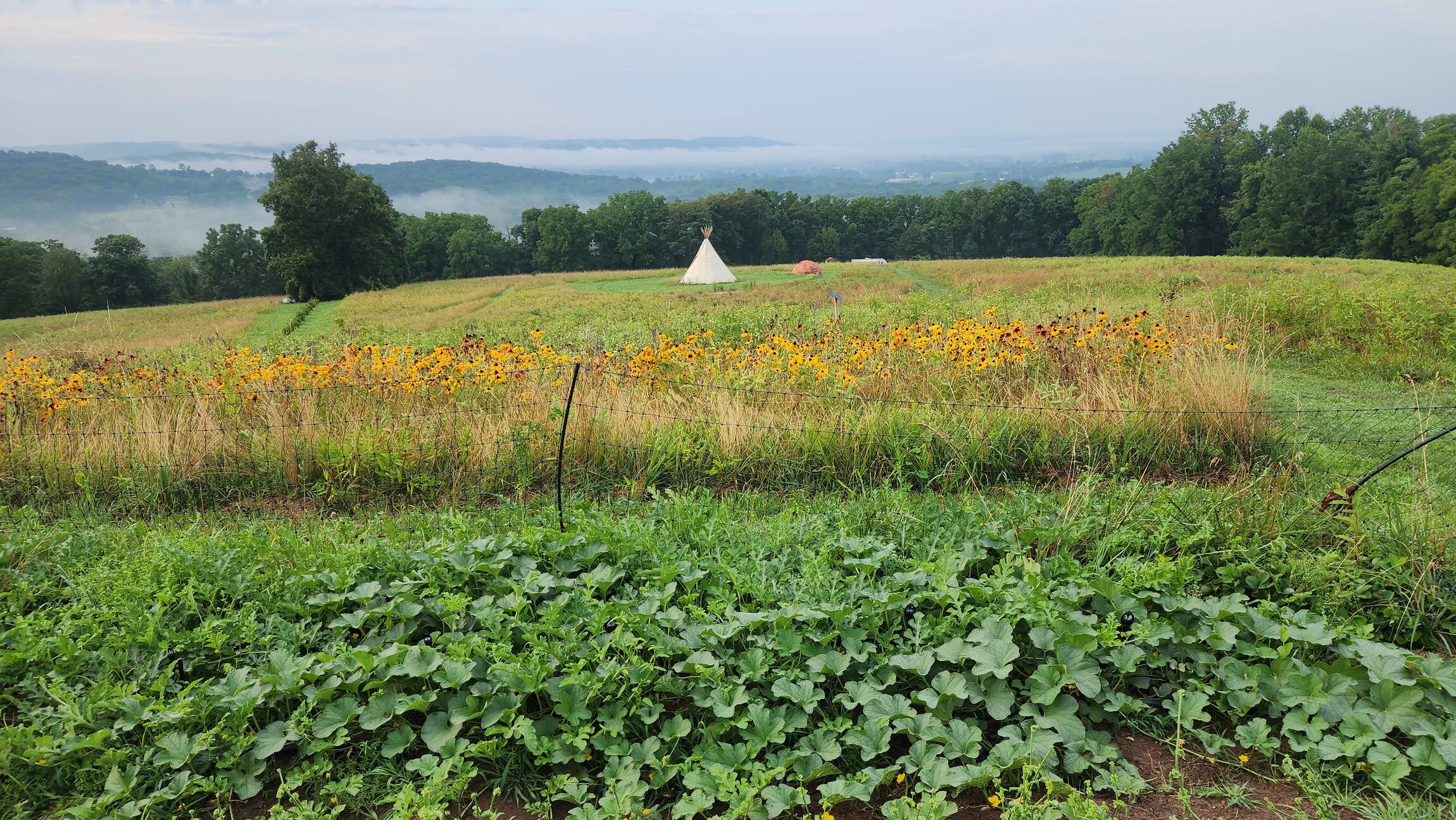
There is a sentence we keep coming back to, and it sits underneath every decision made on this farm: there is no true wellness when your food is contaminated. You cannot supplement your way out of it. You cannot juice your way out of it. If the thing on the plate carries a residue, the body has to deal with the residue — and it deals with it every single day, three times a day, for a lifetime.
So we grow food the way food was grown before anyone thought to spray it. We call it regenerative farming, because the goal is not to hold the land steady while extracting from it. The goal is to hand it back richer than we found it.
No chemicals. Not even the allowed ones.
We do not fertilize
This is the part that surprises people most. We do not fertilize anything. Not synthetic nitrogen, not blood meal, not bagged amendments, not liquid feeds. Nothing. Everything on this farm grows the way it grows because the soil is healthy and full of life — and that is the whole explanation.
A tablespoon of living soil holds more organisms than there are people on earth. Bacteria, fungi, protozoa, nematodes, arthropods — an entire economy, running on sunlight that plants send down through their roots as sugar. In exchange, that economy unlocks minerals the plant cannot reach on its own. Mycorrhizal fungi in particular extend a root system many times over, trading phosphorus and micronutrients for carbon, and linking plants to each other underground.
That system does not need to be fed from a bag. It needs to be left intact, kept covered, kept in living roots, and not poisoned. Do those four things and the soil feeds the crop — season after season, without you buying a thing. Break them and you spend the rest of your life paying to replace what you destroyed.
Mostly no-till
Tillage is the single most destructive routine event in conventional agriculture. A plow pass shatters soil aggregates that took years to build, tears apart fungal networks, exposes carbon to oxidation, and turns a structured living sponge into dust that blows away in the wind and runs off in the rain. It also gives a short-term flush of nutrients — which is exactly why it feels like it works, and exactly why it has to be repeated forever.
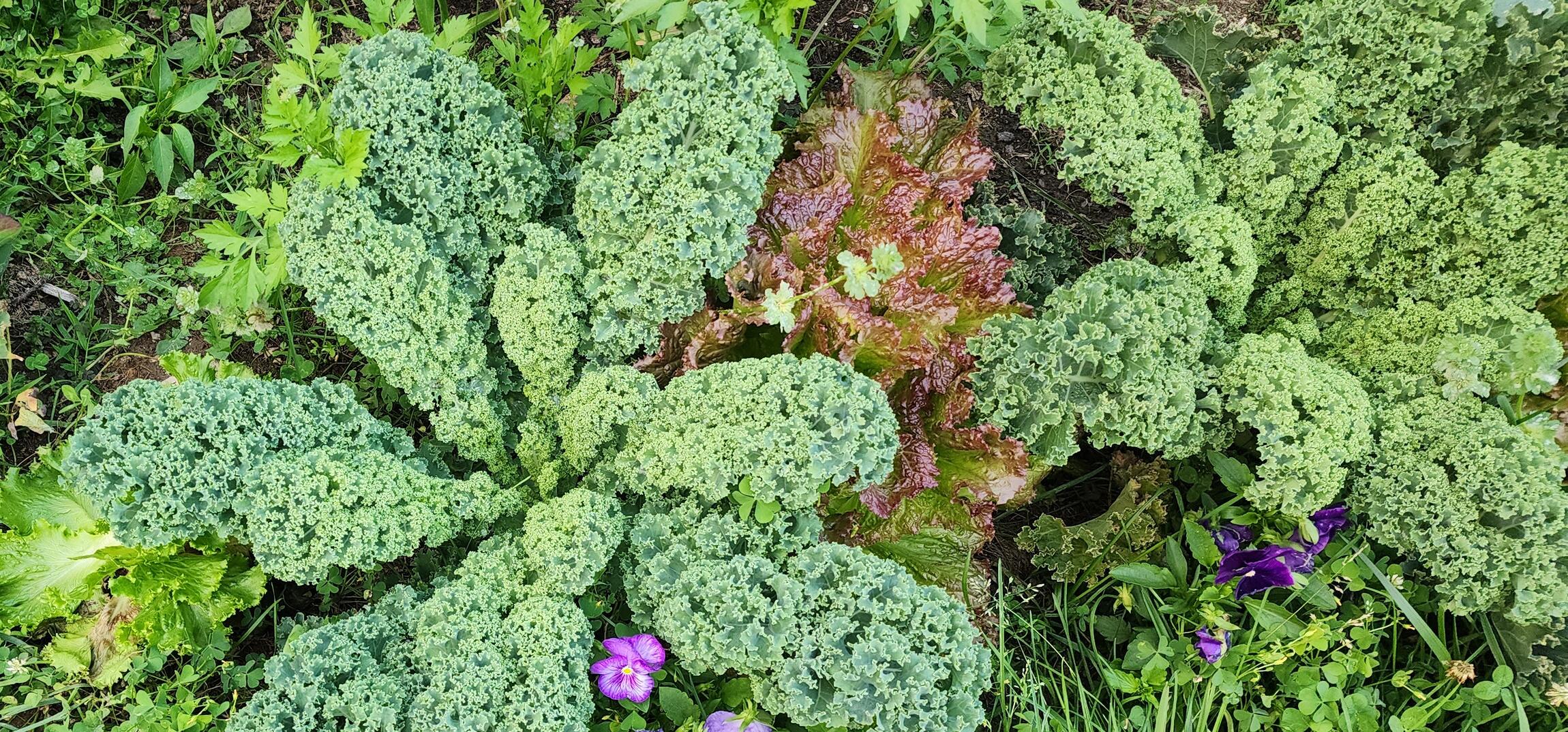
We are mostly no-till, and we say mostly because we would rather be accurate than pure. New ground sometimes needs opening. Beyond that, the soil stays where it is: roots left in the ground to decompose in place, residue left on the surface, disturbance kept to the minimum a seedbed actually requires. Every year we do this, the soil gets darker, holds more water, and needs us less.
Permaculture: designing so the work disappears
Permaculture is often described as a gardening style. It is really a design discipline — observing what a piece of land already wants to do, and arranging things so those natural patterns do the labor instead of you.
In practice, on our hillside, that means reading water before planting a single seed and placing beds so rain slows down and soaks in rather than running off. It means diversity instead of monoculture, so no single pest ever finds a hundred-foot buffet. It means flowering plants kept deliberately throughout the growing area to hold predatory insects on site year-round — our pest control has wings and does not need to be purchased. It means perennials wherever a perennial will do the job, edges treated as the most productive space rather than wasted margin, and the sequence of what follows what chosen so each crop leaves the bed better for the next.
The measure of a good permaculture design is how little intervention it needs by year three.
Electroculture: an old idea we are testing seriously
The air above a field carries a natural electrical charge, and the notion that a plant can be encouraged to use it is not new. In the 1880s the Finnish physicist Karl Selim Lemström ran field trials with overhead wires and reported gains in yield. In the 1920s and 30s the French inventor Justin Christofleau sold tens of thousands of atmospheric-electricity devices to farmers across Europe. Then cheap synthetic nitrogen arrived after the war, the whole line of inquiry was abandoned, and it sat forgotten for most of a century.
What comes out of it
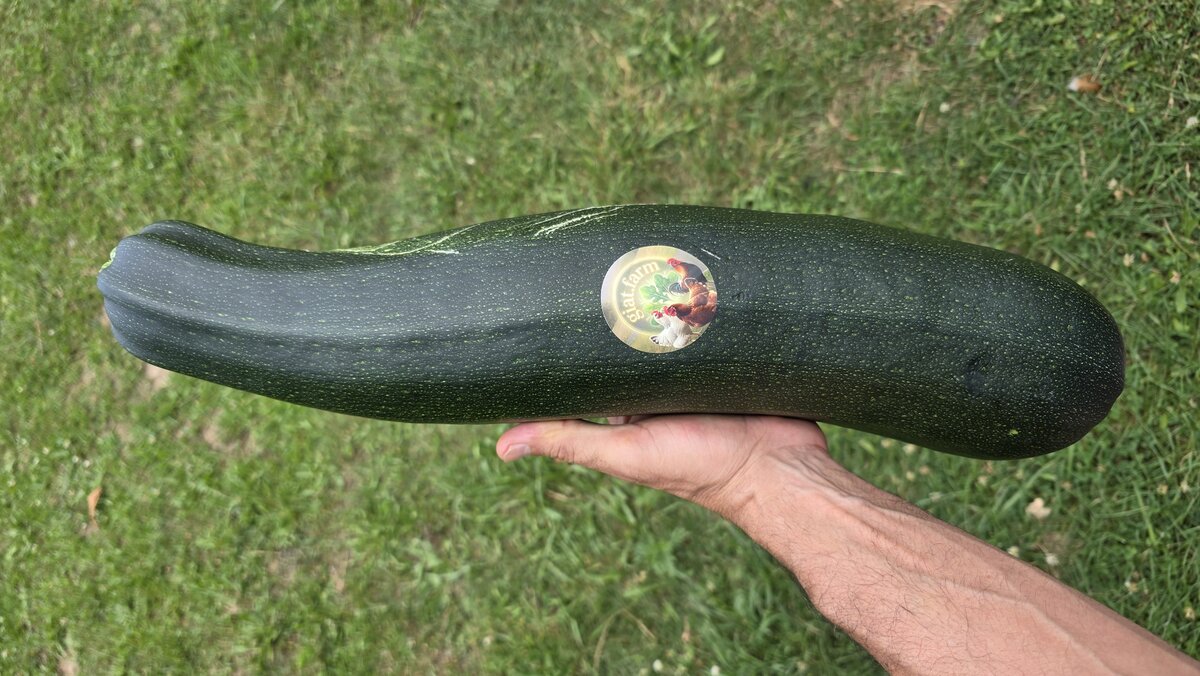
Here is the thing nobody warns you about when you farm this way: the vegetables get big. Not stretched and watery the way heavy nitrogen makes them — dense, heavy for their size, properly formed. Squash you carry with two hands. Greens with real substance to the leaf.
And the flavor is not the same vegetable. Anyone who has eaten a tomato out of living soil and then eaten one from a hydroponic tray already knows the difference and usually cannot explain it. The explanation is mineral density and the secondary compounds a plant only bothers to make when it is genuinely healthy and genuinely challenged — the same compounds responsible for aroma, bitterness, sweetness and color. A plant on life support makes bulk. A plant on good soil makes flavor.
Chefs notice it first, because tasting is their profession. It is the reason our restaurant partnership works: we are not selling convenience, we are selling the thing they cannot get from a distributor.
Why we hold the line
None of this is difficult to explain. It is just difficult to do, and it is much slower than the alternative. A farm can be made productive in one season with enough inputs. Building soil that produces on its own takes years, and there is no way to buy the years back.
We hold the line because of the sentence we started with. Food is the most intimate thing you let into your body, and it happens every day without you thinking about it. If it is clean, that daily act is quietly building you. If it is not, that same daily act is quietly costing you. We would rather grow less, and grow it clean.
Come and see it for yourself — we host volunteer days on the farm through the season, and chefs are always welcome to walk the beds before ordering. Questions about how we grow something specific? Ask us.